Showing posts with label health. Show all posts

Monday, February 9, 2009

Food of The Week: Tomatoes

You Say Tomato, I Say Tomato...

As I sat in my nutrition lectures this morning, I became very aware of people sniffling loudly next to me, behind me, and in fact right around me and I immediately hunch over and sigh. The plague of the common cold has once again taken over! In fear of becoming a victim, I attempt to boost my immune system and this I have discovered, can be helped by eating lots of anti-oxidant rich tomatoes. Thus, tomatoes are the word of the day and the Food of the Week!


Whats so cool about tomatoes?
  • Tomatoes are available all year round.


  • They can be red, yellow, orange, green, purple or brown in colour. There is also a tomato species which is striped!

  • Tomatoes are vegetables, as voted by the Supreme Court in the States in 1893! However that remains very controversial, as most consider it to be a fruit nowadays!
  • Tomatoes originally came from the Andes region in South America and they were brought to Europe by Spanish explorers. They were either thought to be poisonous and or an aphrodisiac and were thus met with some resistance! They only gained popularity in the 1900s and are still incredibly popular today.
  • Tomatoes are part of the nightshade family, which includes belladona, tobacco, chillies, eggplants and potatoes.

  • China, the United States (particularly California) and Turkey are the main producers of tomatoes.
  • The term "tomato" in Italian is "poma amoris", which in English means "love-apple".

Reasons to Eat Tomatoes:

There are various reasons why the average Joe should eat a tomato nearly every day; the main reason being due to the health benefits. These benefits are widely known and scientifically acknowleged.

  1. Tomatoes are rich in Vitamin A and C, which are carotenoids and anti-oxidants.

  2. They are a good source of fibre, which lowers cholesterol levels and helps prevent constipation.

  3. Tomatoes also help prevent heart disease and reduce the body's abilities to make blood clots, thus improving the health of blood vessels. Current studies are also showing that this helps in preventing diabetes.

  4. Tomato juice is a natural anti-inflammatory. Inflammation and oxidative stress have been linked to many chronic diseases of lifestyle such as cancer, diabetes, artherosclerosis and Alzheimer's disease.

  5. Tomatoes are also good sources of Vitamin K, which is necessary for bone health and helps prevent bone demineralisation.

  6. Tomatoes contain large amounts of lycopene, an powerful anti-oxidant and carotenoid.
What is an anti-oxidant?

This is a compound which prevents against oxygen damage by neutralizing free radicals (chemicals), which normally cause damage to the cells of the body as well as cell membranes.


What is a carotenoid?

A carotenoid is a fat-soluble compound in plants usually used in photosynthesis. They provide plants with their bright colours (hence the bright red of the tomato), anti-oxidant activity as well as a source of Vitamin A.

Lycopene, as an antioxidant is said to flush out free radicals in the body in large amounts. Our bodies don't make lycopene naturally, so we need it from tomatoes and other vegetables. Tomatoes have the highest amounts of lycopene and there is a controversy around whether or not organic toamtoes have more lycopene than conventionally grown ones. Lycopene is fat-soluble and is thus best utilized in foods containing good forms of fat. The action of lycopene is also enhanced when it is cooked and to get the most lycopene, you should eat the whole tomato!

Let's Not Call The Whole Thing Off....
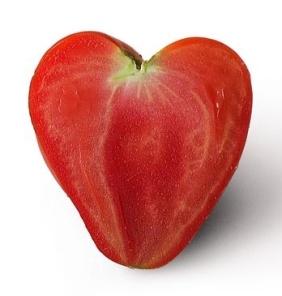

Seeing as it was Valentines Day a little while ago, one would think you would need to look after your heart and keep it strong. Recent studies have shown that lycopene in tomatoes has significant effects in preventing cardiovascular disease, ensuring your heart is healthy and strong. As they are anti-oxidant rich, tomatoes significantly lowers LDL, the "bad" form of cholesterol, by interfering with its synthesis. High cholesterol is one of the major factors in causing heart attacks, strokes and other forms of heart disease. Antioxidants will also prevent further atherosclerosis, because they effectively help stop the oxidation of cells (especially those in the cardiovascular system). So if you want to help protect your heart for next Valentines Day, you need to reap the benefits of tomatoes!

Lycopene is known to help prevent various cancers such as breast, endometrial, prostate, colon, lung and pancreatic cancer. Pancreatic cancer is one to note, as it is a very serious form of cancer and often goes undetected, until it has spread throughout the body. Lycopene protects against cancer by activating cancer-preventative phase II enzymes. Lycopene also reacts with and enhances other phyto-nutrients in tomatoes, which also helps protect against these cancers.

You say "Tomato", but I say however you happen to pronounce "Tomato" is immaterial, the important thing is to eat as much of this nutrient-packed "love-apple" as possible! You can have it sliced in sandwiches or salads; use it as a base for a pasta sauce or casserole or you can eat them as is! You will soon see the effects of these anti-oxidants and carotenoids upon your health as well as have the peace of mind that your cancer risk will be lowered! So the very next time, you hear a sniffle, a cough or a WHACHOOO! (sneeze), think anti-oxidants and tomatoes!

Sunday, January 18, 2009

Getting Your Heart Back: Eating Your Way to a Healthy Heart


Realising the problem


It’s nearly lunchtime and as I amble along an aisle of Pick n’ Pay, I am literally bowled over by a really obese mommy, an equally obese daddy and a bordering-on-obese six year old child. The child has a sugar-laden chocolate in one hand and a pie in the other (and I can even see the grease on the sides of the packet).That's not kids' food! So, one might argue, well, maybe it’s a treat? Well, the curiosity got the better of me and I snuck in the queue behind the family and had a good nosy in their trolley. My heart sunk as I stared at the loaves of refined white bread, polystyrene trays of fatty mince and sausages, as well as bottles of oil and sweetened cool drink. Obviously not a treat. And not a fruit or vegetable in sight!
Heart Disease

Heart Disease consists of a number of abnormal conditions of the heart and blood vessels, which ultimately affect the health and function of the heart.There is a strong link between an unhealthy diet high in saturated fat and cholesterol, obesity and the rise of heart disease. Worldwide, 22 million children under the age of 5 yrs, are overweight whilst in South Africa, 17 % of children between the ages of 1-9 yrs are overweight. Each day, 195 South Africans die of heart disease; 33 of which are heart attacks; 60 are strokes and 37 are heart failures.

Amazing Heart Facts:

  • The heart beats roughly 36 million times per year or 100 000 times per day

  • Blood vessels, which occur throughout the body, reach approximately 96 560.64 km (which is long enough to travel around the world twice!)

  • The heart is able to pump 7 570 litres of blood throughout the body each day
  • A male adult’s heart weighs approximately 284 g whilst an adult female’s weighs approximately 227 g
  • Blood takes about 20 seconds to circulate throughout the entire vascular system
For a person of an average, healthy weight such as myself, I was alarmed to discover that according to The Heart and Stroke Foundation South Africa, all South Africans are at risk for premature death due to chronic diseases. And although chronic heart disease is exacerbated by being overweight, it can still affect anyone, even young children. So I set on yet another quest to eating my way to a healthy heart!

In order to eat to avoid heart disease, we need to eat a varied diet, of fresh fruit and vegetables, whole grains and pulses, lean meat, fish, eggs, dairy and drink plenty of water (check my previous post "The Importance of Being Nuts About Health. I'm Nuts, Are You?"). We need to be eating regular meals to avoid overeating and reducing our saturated fat, cholesterol, salt and alcohol intakes. We need to monitor our weight and control it through exercise and eating a nutritious diet.

There are also specific foods which have been proven to help prevent heart disease and are particularly good for those already with heart disease. These include:
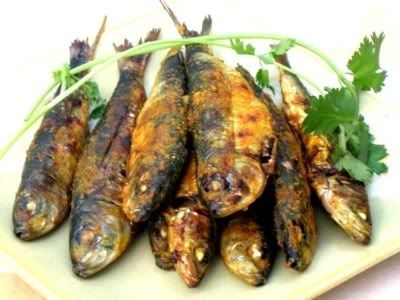
  • Oily fish such as pilchards or salmon- as they are rich in poly-unsaturated omega 3 fatty acids which help to lower cholesterol; improve your immune system and reduce inflammation during injury.


  • Oats- as they are rich in soluble fibre which lowers cholesterol and helps prevent constipation.

  • Soya beans- as they are high in protein and fibre and help lower cholesterol.
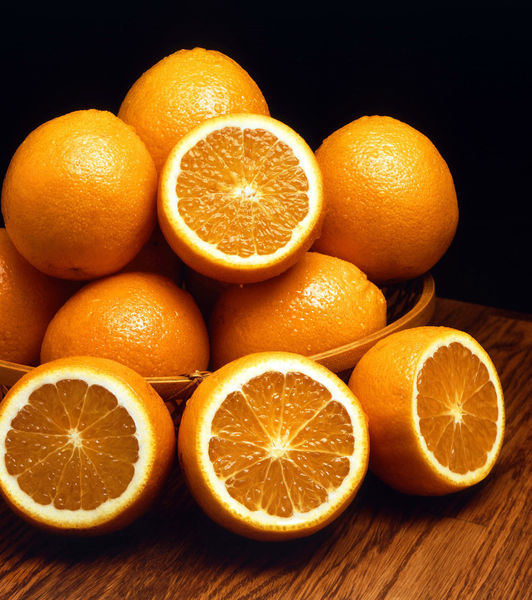
  • Oranges- as these have certain compounds in their peel which lower cholesterol and help prevent cholesterol and triglycerides (fat) being made by the liver.


Canola oil and olive oil- as they are essential in lowering cholesterol and increasing the “good” kind of cholesterol and also contain anti-oxidants. These mono-unsaturated fats should replace the saturated fats such as butter, lard or ghee.

Spinach- as it lowers cholesterol and triglycerides. It is also rich in potassium and folic acid and low in sodium, which helps to regulate one’s blood pressure and reduces the amount of homocysteine, which damages blood vessels and hampers blood circulation. Spinach also has co-enzyme Q10 to strengthen muscle tissue in the heart and lutein, which prevents arteries from hardening, which would otherwise lead to a heart attack.

I am hoping that this article is a heavy wake-up call and shall encourage you to make a real effort to keep your heart healthy. Heart Awareness Month is in September, with World Heart Day being on the 28th September, but why wait till then to start making an effort? A healthy heart is easily achieved through following a healthy, nutrient-rich diet, regular exercise and maintaining a healthy weight. Your heart is what keeps you alive, and if that fails, what chance do you have? Getting your heart back means avoiding being another statistic and you can help get the message across to others. Got it?

Whilst cruising the internet, I came across this joke site, with one of the cutest jokes, emphasizing the cost of heart disease. Enjoy!

The cost of special reports

A woman brought a very limp parrot into a veterinary clinic. As she laid her pet on the table, the vet pulled out his stethoscope and listened to the bird's chest. After a moment or two, the vet shook his head sadly and said, "I'm so sorry, Polly has passed away."

The distressed owner wailed, "Are you sure? I mean you haven't done any testing on him or anything. He might be in a coma or something." The vet rolled his eyes, shrugged, turned and left the room returning in a few moments with a beautiful black Labrador. As the bird's owner looked on in amazement, the dog stood on his hind legs, put his front paws on the examination table and sniffed the parrot from top to bottom. He then looked at the vet with sad eyes and shook his head.

The vet escorted the dog from the room and returned a few moments later with a cat. The cat jumped up and delicately sniffed the bird. The cat then sat back, shook it's head, meowed and ran out of the room. The vet looked at the woman and said, "I'm sorry, but, like I said, your parrot is most definitely 100% certifiably dead."

He then turned to his computer terminal, hit a few keys and produced a bill which he handed to the woman. The parrot's owner, still in shock, took the bill. "A HUNDRED AND FIFTY DOLLARS!" she cried. "A HUNDRED AND FIFTY DOLLARS just to tell me my bird is dead?!" The vet shrugged. "If you'd taken my word for it the bill would only have been $20, but... what with the Lab Report and the Cat Scan.....

Thursday, January 8, 2009

Manic Organic- Are You Part of the Rush?

I had an interesting, yet baffling experience, when I entered the vegetable section of Woolworths, recently. I had simply intended to buy a small bunch of bananas and yet I found myself immediately facing a dilemma of whether I should get the organic bunch of bananas or the conventionally grown bunch. Both bunches were the same size and a gorgeous bright yellow. How was I supposed to know which ones to choose? It was then, that I made my decision to suss out organic foods and discover the Rush to Go Organic.

The Rush to Go Organic

Organic farming is expensive and is sometimes not as sustainable as one likes to think. More expensive farming methods are used than in conventional farming and there are tighter government regulations regarding the growth of organic foods. Organic farming also uses labour-intensive methods to remove weeds and pests. Since 2003, South Africa has had a major surge in the organic market with sales increasing from 5 million rand in 2003, to 155 million rand in 2005 and this is still proving to be lucrative business. Perhaps one of the reasons why the South African farmers have helped grow the organic market into such a massive enterprise is because of the large supply of cheap rural labour. Also an organization, the Organic Freedom Project has also been set up to encourage further growth of the organic market by helping to create 100 000 jobs by 2014.

The Good, The Neutral and The Just Plain Ugly

For the last decade, we have been told to “Go Organic, its healthier”, but no-one really knows if this is the truth, hence the massive onslaught of controversy surrounding it. It’s a battle between scientists and environmentalists (e.g. farmers) and we are still left with a choice as to whether we should “Go Organic” or not. After much research I still have mixed views about the topic, so I’ve decided to put it out there, and let you decide.

The Good- Organic farming encourages the conservation of soil and water and helps reduce the amount of pollution. It reduces the health risk of farm workers as no pesticides or herbicides are used and it also prevents the eco-systems from being destroyed. In organic foods, no antibiotics or hormones, additives or preservatives or chemical or synthetic agents which destroy microbial activity in soil, are used. Instead, fresh compost made from cow manure, bird droppings, apple mulch and other organic substances is added to the soil. With organic farming, the microbes in the soil break down any organic matter and solid minerals into forms the plant can use as nutrients to grow. This is the thinking behind the organic foods having higher amounts of trace minerals and other micro-nutrients.


  • There are 3 main categories of organic food: 100% organic refers to products which are completely organic or are made from completely organic ingredients; 95% organic refers to products which are 95% organic; and foods which are made with organic ingredients (70% of the ingredients are organic).


The Neutral- There is no conclusive evidence to show that organic food is more nutritious or tasty than conventionally grown food. Both types of food meet the same standards for quality and appearance. People buy organic food, as they believe they will be ingesting fewer pesticide residues. Non-organic foods also undergo rigorous testing to ensure their safety. Organic and non-organic foods both have the same physical characteristics; the only way they differ is in the way they are produced.

The Just Plain Ugly- Recent research shows that there are now more pesticides and contaminants in our bodies as a result of the food we eat. Each pesticide has a specific safety level determined by the government; however, research has shown many samples of fresh produce have different levels of different pesticide residues. In organic farming, some natural pesticides are used and are proving to be quite toxic, as they contain copper solutions which remain in the soil. This copper solution is allegedly the 18th most used pesticide in the United States. The British Medical Association states that “until we have a more complete understanding of pesticide toxicity, the benefit of the doubt should be awarded to protecting the environment, the worker and the consumer- this precautionary approach is necessary because the data on risk to human health from exposure to pesticides are incomplete”. Another thing to note, is that there have been reports showing that organic foods are also more likely to be carriers of pathogenic bacteria such as E. Coli and Salmonella.

So Should We Rush to “Go Organic”?

As this is a very controversial topic, there is no one definitive answer. You, as part of the general public, have the choice to choose what types of food you would like to eat. Eating organic food isn't a trend that you shouldn’t just rush to follow and in order to make a decision, you need to consider nutrition, food science and agriculture, as well as cost, quality and safety. So when choosing between my two bunches of bananas, I went for the conventionally grown range. When buying organic, you are paying for a product which has very few pesticide residues. Do I really want to pay for a bunch of bananas with very few pesticides, when evidence shows that they are not in large enough amounts to harm me? Well, again, I’m leaving the decision up to you. Just keep in mind, that whichever you choose, the freshest food is the best!

Tuesday, January 6, 2009

Tips to Buying Superman Food with a Mini-Me Budget

If the wallet is a bit tight this month after all the spending over the festive season, one way to cut back is to save on grocery costs. There are several ways to do this; you just have to keep an eye on what’s in your trolley. The items in your trolley will also form the basic building blocks of your nutritious diet and should comprise of various “power” foods. Although there may be one or two “power foods” that may cost a bit more than the others (e.g. avocado), they are still important to include in your diet, even if you cannot afford to have them that often.

  • A power food” is one that provides you with many necessary vitamins, minerals, antioxidants and phyto-chemicals as well as starch, fibre, unsaturated fat and protein. Power foods also provide you with long-lasting energy throughout the day, help you build more muscle and help your prevent your body from storing excess fat. “Power foods” also have other health benefits, like reducing the incidence of chronic diseases, improving immune function, lowering blood pressure and strengthening bones.

The following list comprises of several budget- friendly, healthypower foodswhich can be included in nearly every meal:

1. Peanut Butterrich in vitamin E, magnesium, phosphorus, Niacin (Vitamin B3), protein and fibre
2. Eggsrich in Vitamin B12 and Vitamin A and protein
3. Dark green vegetables such as spinach, avo and cabbage – rich in Vitamin A and C and calcium, iron and fibre
4. Orange and yellow vegetables such as carrots and peppers – rich in Vitamin A and C, folate, calcium, potassium, phyto-chemicals, carotenoids and fibre
5. Sardinesrich in protein, phosphorus, calcium, selenium, Niacin (B3) and Vitamin D as well as omega -3 essential fatty acids.
6. Legumes such as dried peas, lentils and beans – rich in protein, fibre, B vitamins, folate, iron, zinc, magnesium and calcium as well as antioxidants
7. Oatsrich in soluble fibre and complex carbohydrates, potassium, phosphorus, magnesium, B vitamins and folate
8. Berries such as strawberries, cranberries and blueberries – rich in Vitamin C, fibre and anti-oxidants
9. Cinnamonrich in manganese, iron, zinc and calcium
10. Flaxseedrich in omega 3 fatty acids and fibre
11.
Rooibos and Peppermint teas - rich in anti-oxidants and caffeine free

In the past, many people have focused on what’s missing in their diets, but this can be changed if people address their diets and include some of thesepower foods”. Nutritious eating also doesn’t have to be expensive; comparing costs of foods, meal planning and shopping wisely by avoiding impulse buying can reduce these costs dramatically. A good tip is to focus on the food you are eating, realise the health benefits and learn to enjoy them!

Sunday, January 4, 2009

The Importance of Being Nuts About Health. I'm Nuts, Are You?


Health

It’s a screaming, daunting, word that appears nearly everywhere in women’s magazines, newspaper articles and self-help books causing many to regret eating that KFC they had for lunch and quickly skip a couple of pages. It is also all over the internet, with numerous websites offering outrageous claims and programmes expensive enough to make your head whizz.


  • Health is defined as a state of complete mental, physical and emotional being without the presence of disease. However, health also involves understanding what one eats and how one exercises and this shouldn’t be a daunting task, especially if it means you are leading a much healthier lifestyle by the end of it.

Chronic Diseases of Lifestyle

Chronic diseases are taking over, with various cancers; both type 1 and type 2 Diabetes Mellitus; cardiovascular heart disease and coronary vascular disease, obesity and metabolic syndrome on the increase in both developed and developing countries.

Many of these diseases are already epidemics, with diabetes in particular being in the lead, with over 230 million people currently affected by the disease and if that isn’t scary enough, every ten seconds, a person dies of diabetes-related causes. There is also a strong link between these diseases and the rise in morbidity and mortality as a result of eating a poor diet lacking in essential nutrients and a lack of physical exercise.

  • What is interesting to note, is that despite all the information about healthy eating being available, people still continue to eat poor diets. South Africa is a notable case, as a middle- income country with enough food to sustain its people and to export to foreign countries yet with millions of people living in poverty, there are more obese, undernourished people than underweight, undernourished people. It is possible for obese or overweight people to be undernourished, for example, they may be eating a diet rich in starch, protein and fat, but they may also be lacking in sufficient amounts of essential vitamins and minerals.

Nutrition and Exercise


Nutrition and exercise both form the basis of good health and are words which make many people cringe and immediately hide their packets of chips and pull in their stomachs. There is great emphasis on food and eating a varied diet which includes starch and wholegrain breads; legumes and pulses such as baked beans and lentils; fruits; vegetables; nuts and seeds; lean animal protein such as chicken, fish and game; eggs and low fat dairy products.

  • Nutrition is the science of food and its interaction with the human body to promote and maintain health.

In South Africa, the government has advised that South Africans eat according to the Food Based Dietary Guidelines. There are eleven guidelines and these are based on the consumption of locally available foods.


The Food Based Dietary Guidelines (FBDGs) include:
1. Enjoy a variety of foods
2. Be active
3. Make starchy foods the basis of most meals
4. Eat plenty of fruits and vegetables every day
5. Eat dry beans, peas, lentils and soy regularly
6. Chicken, fish, milk, meat or eggs can be eaten daily
7. Eat fats sparingly
8. Use salt sparingly
9. Drink lots of clean, safe water
10. If you drink alcohol, drink sensibly
11. Use foods and drinks containing sugar sparingly and not in between meals


In order to promote and maintain health, one doesn’t only need to consider nutrition, but also exercise (I can visualize many groans here). We need to exercise for several reasons; the main reason being to avoid any chronic diseases. The benefits of exercise include cardiovascular fitness, increased bone density which helps against osteoporosis; helps develop and strengthen muscles and joints; increases the amount of energy your body has so you are able to perform more activities in one day; you are better able to deal with stress and it helps beat insomnia. Exercising daily also helps to maintain our body weight.
  • There are various types of exercise to do, the best being cardiovascular exercise such as running, walking, playing squash, soccer, swimming and aerobics. This type of exercise should be done on low intensity for 45mins, 3-5 times per week. The longer and more intense the exercise, the greater the benefit! It is also critical that if either one hasn’t exercised before or one hasn’t exercised for a very long period of time, one must see a health professional for a medical check-up.
Finally as first week of the New Year passes, for many of us, that New Year’s resolution to eat healthily and hit the gym every day is becoming more and more motivating and achievable. Improving one’s health often means a complete lifestyle change and all one needs is a little knowlege and motivation. And if the frightening statistics aren’t enough, there is also always this website (which will soon have many articles on different aspects of nutrition and health) and a fellow “HealthNut’s” inspiration and encouragement!