Showing posts with label foods. Show all posts

Monday, January 11, 2010

Teenagers and Diabetes

I am a type 1 diabetic and have been so for nearly thirteen years. And it hasn't always been smooth sailing, in fact, it still isn't, despite me being in my early twenties. I often struggle to maintain a balance between diet, exercise,studying, drinking alcohol and socialising. Not maintaing this balance, plays havoc with my blood sugars, causing them to zig-zag.
One might think this combination of a dietitian and diabetic, whose blood sugars ought to be more on the "straight and narrow" odd, but it highlights the fact that type 1 diabetes is often difficult for anybody, specifically for teenegars and young adults, to control.

Factors Upsetting Blood Sugar Control

As a teenager grows up through to a young adult, it is a period of social development and awareness. It is also a time of networking, forging new friendships and relationships; discovering the bliss of an ice cold beer or the sharp ecstasy of a shooter; the rush of a first cigarette or even the thrill of a recent crush glancing your way. Suddenly, any reminders of blood tests and insulin are soon forgotten or ignored.

At a braai or party, sweet fruit-coolers, beers and mixes form the basis of many teens' alcohol repetoires. Personally, I'm not a big drinker, but often feel very uncomfortable after several drinks and instinctively, I know my blood sugar is high. Despite the cries of "Hey! Why aren't you drinking!", I down numerous glasses of water and monitor my blood sugar more closely. Alcohol, especially in the form of shooters, causes spikes in blood sugar, which may later crash and cause serious hypos, whereas plain spirits will cause the blood sugar to plummet.

At that same braai or party, there may be potato crisps to snack on, as well as garlic bread and soft, white rolls to munch. Combined with a lack of vegetables and fatty meat, these will also contribute to a higher blood sugar.

Another important factor to consider, is the lack of discipline, in terms of the blood tests and insulin injections. It is very hard as a teenage diabetic, to see so many other kids stuff chocolate, biscuits, cokes and other junk foods into their mouths, while the diabetic teen has to eat a much more restricted diet. It is much easier, to ignore the condition and eat what you like. Teen's moods, friends, levels of activty as well as changes in hormones also change frequently, making diabetes management that much harder. But this is where the discipline comes in.

Why Bother?
Poor blood glucose control results in retinopathy (damage
to the retina of the eye); cataracts; nephropathy (kidney problems, where the
kidneys battle to excrete the excess glucose from the body); neuropathy
(nerve damage, whereby the patient feels a "pins and needles"
sensation in the feet and legs) and cardiovascular disease and strokes (poor
circulation can also affect the blood vessels in the genital areas, causing
impotence). Diabetic teens should keep their feet in good condition, to prevent
problems occurring in later life. The longer the poor control lasts,
the more severe the complications.
Ways To Help Manage Your Teen's Diabetes
Managing diabetes as a teen or young adult is tough or just a big fat pain in the ass, but it is possible to achieve! I've managed without any complications so far, haven't I? There are several ways to mange the condition, some of which, got me through to wher I am today. These are:
1. Several consecutive meetings with a Daibetic Nurse Educator, who will help the teen amke better choices regarding diet, drinking alcohol, partying and socializing and exercise.
2. Establish priorities i.e. what is really important to the teen? Is social acceptance really worth sacrificing one's health? The teen must be encourages to find a balance between the two.
3. There are new insulins and other devices (e.g. insulin pumps) on the market, which offer more flexibility in terms of food and insulin dosages and they make diabetes management much easier.
4. A diabetic teen needs a strong support system around him: someone to understand his moods; to understand and interpret his feelings of sadness, anger, fear or shame; to see if his sugar is low or sky high; to help him make the right lifestyle choices and to undertsnad any other problems. It will also help if the whole family is involved; they should know how diabetes works, what to do in a particular situation and they can also be involved at mealtimes.
5. Help the teen build confidence, especially in himself. He must believe that he can control thios condition and thus he needs support from his family and friends.
6. A healthy lifestyle with everything in moderation will help level out his blood sugars. Always have alcohol with meals to prevent hypos and be aware of the effect of alcohol on blood sugar levels several hours after drinking. Exercise and a low GI diet will help even out any spikes.

I hope I have shown you that teens and young adults are capable of managing
their own diabetes. Its a rocky ride and you don't always get a lollipop at the
end, but the reward appears ina different form: excellent health with no
complications and the ability to live life to the fullest!

I encourage any other teens or young adults to email me and tell me their experiences or troubles. I hope to perhaps specialize in this field and I feel that, being a diabetic and knowing how it feels, will benefit me in this endevour.

Tuesday, January 27, 2009

A Look In My Kitchen Cupboards: Is What's In Mine, In Yours?

It is very seldom that I have the time or courage to evaluate the different types of food I eat. As a student dietician, I have a vested interest in what goes into my body and I wanted to find out if the foods I was eating were really that unhealthy and if so, what was so unfavourable about them. So with much trepidation, I opened up the kitchen cupboards and fridge and had a good look.....

What is Junk Food?

The definitions of "junk food" or "non-nutritious food" vary widely and there is no final, momentous description available. An acceptable description is that it is food made outside the home, which people find delicious and choose to eat instead of home-cooked meals.

There is also a great emphasis on the fact there is no such thing as "bad food", only "unhealthy food". Unhealthy foods are those which are low in fibre, protein, vitamins and minerals but high in refined sugar and white flour, saturated fat, salt, preservatives and additives.


I thought the best way to show you the types of foods that can be found in my kitchen, would be to take photos, so here goes...


The Fridge:

  • On the top shelf of the fridge, we have butter, creme fraiche and cream cheese- these are foods which have high amounts of fat per 100g and ones which should be eaten sparingly.
  • Foods like mustard, citrus marmalade and parmesan are foods which aren't eaten very often and are usually used in small amounts in cooking.
  • Home-made tuna salad is packed with vegetables and therefore vitamins and minerals and has very little mayonaise, thus it can be eaten frequently.
  • The second shelf has various vegetables (containing many vitamins and minerals) and low GI seed bread. This bread is nutritious as it does not cause high spikes in blood sugar, provides the body with energy and keeps your tummy full, so you don't overeat.
  • Cheddar cheese does contain a high portion of fat, but is also a good source of protein.
  • French mayonaise should be eaten sparingly.
  • Flora margarine is a good source of fat to eat as it contains plant sterols instead of cholesterol.
  • Mangoes are good fruits to eat as they contain fibre to avoid constipation as well as vitamins and minerals.
  • Chillies are said to help speed up your metabolism and are also packed with anti-oxidants.
  • Peri-Peri marinade is usually used in the occasional braais and is thus acceptable in a healthy diet.

Cupboard Number 1:

  • On the first shelf of this cupboard, there are various types of sugar, baking powder and syrup and these are usually used in baking and aren't eaten often.
  • Rice flour is gluten-free and is thus suitable for people who cannot eat wheat (coeliac disease).
  • Macadamia nuts are a good source of protein and a great food to snack on.
  • Rooibos tea and 'Rooibos and Honeybush' tea is caffiene free and is packed with anti-oxidants.
  • Oat bran is rich in soluble fibre to help combat constipation as well as minerals.
  • Coffee grounds contain caffiene which affects the central nervous system negatively and should be drunk in moderation.
  • Lasagne pasta, blackcurrent jam and chutney are foods which aren't eaten often and are acceptable in small amounts in a normal, healthy diet.
  • Sugar should be limited to tea or coffee and cereal and should be in small amounts- too much sugar means extra kilojoules that may not be burnt up by the body and is thus stored as fat.
  • Cup O' Soup contains additives and preservatives and should be generally avoided- fresh home-made chicken soup is packed with more nutrients and is a better option.
  • Peanut butter is rich in protein and "good" fat and can be eaten regularly.
  • Peppermint tea is rich in anti-oxidants and is good for any stomach ailments.
  • Marmite forms a good spread as it is surprisingly rich in vitamins and minerals.
  • On the thrid shelf of this cupboard, there is olive and sunflower oil which are good sources of omega 3 fatty acids.
  • Iodated sea salt is rich in iodine but like salt itself, also contains a high amount of sodium and thus should be reduced.
  • White wine vinegar, Balsamic vinegar, tomato sauce, pepper, HP sauce, green curry sause, curry powder and mixed spice are usually used in cooking are used in small amounts and are acceptable in a healthy diet.
  • Muesli is rich in fibre and a good source of carbohydrate, vitamins and minerals.


Cupboard Number 2:

  • On the first shelf of this second cupboard, there are several cans of legumes, such as baked beans, chickpeas and butter beans which are all excellent sources of protein and vitamins and minerals and great for vegetarians too!
  • Tuna and mackeral are excellent sources of omega 3 fatty acids and should be eaten often.
  • High fibre bran is rich in soluble fibre and helps avoid constipation as well as levelling out blood sugars.
  • Sliced pie apples and toamato soup both contain vitamins and minerals but it should be kept in mind that fresh apples and fresh home-made tomato soup is best to use.
  • Popcorn, lentils, soup mix and wholegrain oats all are rich in protein and soluble fibre.
  • Preserved figs are rich in sugar and should only be eaten as a treat.
  • Brown rice is always better than white rice as is wholewheat flour better than white flour.
  • Grapefruit juice is rich in essentail oils, vitamins and minerals and it helps lessen the acidity in the stomach and helps the liver to produce less cholesterol.
  • Spaghetti is a good form of carbohydrate as long as it is wholewheat.
As a dietetic student and and a type 1 diabetic, I eat fairly healthily. My diet is rich in wholegrains; legumes especially lentils (much to the chagrin of my digsmates!); vegetables, fruit and proteins and I do have the occasional treats. However, I also have a major Achilles heel - potatoes. Whether they're "slap chips", fries, crisps, boiled, roasted, baked, mashed or just grilled or even in a potato bake, I'm hooked (and the reason why you don't see them in the cupboard, is because I've probably eaten them!)The upside of eating potatoes is that they're an inexpensive staple for a student, however they aren't low GI and they don't do much to help beat the battle of the bulge! We all have weaknesses in our diets, but there are ways we can improve on this.

Here are several ways to help improve the contents of your fridges and cupboards:

  • Putting a "STOP and THINK" sign on your cupboards and fridge may help remind you not to snack on unhealthy foods.

  • When shopping at the grocery store, stick to your shopping list and avoid impulse buying at the till-points.

  • Try and eat according to the Food Based Dietary Guidelines (see my first blog post, "The Importance of Being Nuts About Health: I'm Nuts, Are You?").

  • Try to keep lots of healthy "snack foods" in your kitchen, such as nuts, fruit and vegetables.

  • Take stock of your cupboards and fridge and categorize your foods, for example high fat, low fibre, high sodium and then look for the alternatives when shopping.

  • Consider quantity, quality and variety of the foods you buy.

  • Read Food labels as they will show you the serving size, nutrient content and ingredients.

  • Plan meals and snacks ahead.

  • And finally, be realistic - changing habits takes time; so start slowly and set goals.

Good Luck!

Sunday, January 18, 2009

Getting Your Heart Back: Eating Your Way to a Healthy Heart


Realising the problem


It’s nearly lunchtime and as I amble along an aisle of Pick n’ Pay, I am literally bowled over by a really obese mommy, an equally obese daddy and a bordering-on-obese six year old child. The child has a sugar-laden chocolate in one hand and a pie in the other (and I can even see the grease on the sides of the packet).That's not kids' food! So, one might argue, well, maybe it’s a treat? Well, the curiosity got the better of me and I snuck in the queue behind the family and had a good nosy in their trolley. My heart sunk as I stared at the loaves of refined white bread, polystyrene trays of fatty mince and sausages, as well as bottles of oil and sweetened cool drink. Obviously not a treat. And not a fruit or vegetable in sight!
Heart Disease

Heart Disease consists of a number of abnormal conditions of the heart and blood vessels, which ultimately affect the health and function of the heart.There is a strong link between an unhealthy diet high in saturated fat and cholesterol, obesity and the rise of heart disease. Worldwide, 22 million children under the age of 5 yrs, are overweight whilst in South Africa, 17 % of children between the ages of 1-9 yrs are overweight. Each day, 195 South Africans die of heart disease; 33 of which are heart attacks; 60 are strokes and 37 are heart failures.

Amazing Heart Facts:

  • The heart beats roughly 36 million times per year or 100 000 times per day

  • Blood vessels, which occur throughout the body, reach approximately 96 560.64 km (which is long enough to travel around the world twice!)

  • The heart is able to pump 7 570 litres of blood throughout the body each day
  • A male adult’s heart weighs approximately 284 g whilst an adult female’s weighs approximately 227 g
  • Blood takes about 20 seconds to circulate throughout the entire vascular system
For a person of an average, healthy weight such as myself, I was alarmed to discover that according to The Heart and Stroke Foundation South Africa, all South Africans are at risk for premature death due to chronic diseases. And although chronic heart disease is exacerbated by being overweight, it can still affect anyone, even young children. So I set on yet another quest to eating my way to a healthy heart!

In order to eat to avoid heart disease, we need to eat a varied diet, of fresh fruit and vegetables, whole grains and pulses, lean meat, fish, eggs, dairy and drink plenty of water (check my previous post "The Importance of Being Nuts About Health. I'm Nuts, Are You?"). We need to be eating regular meals to avoid overeating and reducing our saturated fat, cholesterol, salt and alcohol intakes. We need to monitor our weight and control it through exercise and eating a nutritious diet.

There are also specific foods which have been proven to help prevent heart disease and are particularly good for those already with heart disease. These include:
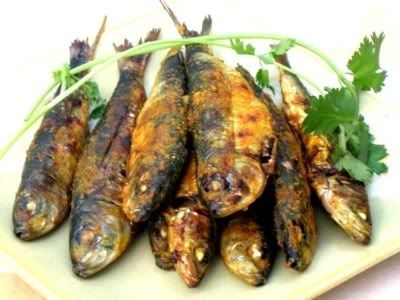
  • Oily fish such as pilchards or salmon- as they are rich in poly-unsaturated omega 3 fatty acids which help to lower cholesterol; improve your immune system and reduce inflammation during injury.


  • Oats- as they are rich in soluble fibre which lowers cholesterol and helps prevent constipation.

  • Soya beans- as they are high in protein and fibre and help lower cholesterol.
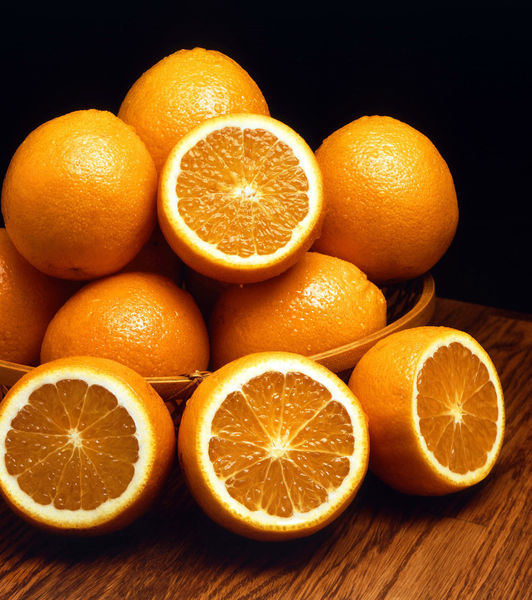
  • Oranges- as these have certain compounds in their peel which lower cholesterol and help prevent cholesterol and triglycerides (fat) being made by the liver.


Canola oil and olive oil- as they are essential in lowering cholesterol and increasing the “good” kind of cholesterol and also contain anti-oxidants. These mono-unsaturated fats should replace the saturated fats such as butter, lard or ghee.

Spinach- as it lowers cholesterol and triglycerides. It is also rich in potassium and folic acid and low in sodium, which helps to regulate one’s blood pressure and reduces the amount of homocysteine, which damages blood vessels and hampers blood circulation. Spinach also has co-enzyme Q10 to strengthen muscle tissue in the heart and lutein, which prevents arteries from hardening, which would otherwise lead to a heart attack.

I am hoping that this article is a heavy wake-up call and shall encourage you to make a real effort to keep your heart healthy. Heart Awareness Month is in September, with World Heart Day being on the 28th September, but why wait till then to start making an effort? A healthy heart is easily achieved through following a healthy, nutrient-rich diet, regular exercise and maintaining a healthy weight. Your heart is what keeps you alive, and if that fails, what chance do you have? Getting your heart back means avoiding being another statistic and you can help get the message across to others. Got it?

Whilst cruising the internet, I came across this joke site, with one of the cutest jokes, emphasizing the cost of heart disease. Enjoy!

The cost of special reports

A woman brought a very limp parrot into a veterinary clinic. As she laid her pet on the table, the vet pulled out his stethoscope and listened to the bird's chest. After a moment or two, the vet shook his head sadly and said, "I'm so sorry, Polly has passed away."

The distressed owner wailed, "Are you sure? I mean you haven't done any testing on him or anything. He might be in a coma or something." The vet rolled his eyes, shrugged, turned and left the room returning in a few moments with a beautiful black Labrador. As the bird's owner looked on in amazement, the dog stood on his hind legs, put his front paws on the examination table and sniffed the parrot from top to bottom. He then looked at the vet with sad eyes and shook his head.

The vet escorted the dog from the room and returned a few moments later with a cat. The cat jumped up and delicately sniffed the bird. The cat then sat back, shook it's head, meowed and ran out of the room. The vet looked at the woman and said, "I'm sorry, but, like I said, your parrot is most definitely 100% certifiably dead."

He then turned to his computer terminal, hit a few keys and produced a bill which he handed to the woman. The parrot's owner, still in shock, took the bill. "A HUNDRED AND FIFTY DOLLARS!" she cried. "A HUNDRED AND FIFTY DOLLARS just to tell me my bird is dead?!" The vet shrugged. "If you'd taken my word for it the bill would only have been $20, but... what with the Lab Report and the Cat Scan.....

Tuesday, January 6, 2009

Tips to Buying Superman Food with a Mini-Me Budget

If the wallet is a bit tight this month after all the spending over the festive season, one way to cut back is to save on grocery costs. There are several ways to do this; you just have to keep an eye on what’s in your trolley. The items in your trolley will also form the basic building blocks of your nutritious diet and should comprise of various “power” foods. Although there may be one or two “power foods” that may cost a bit more than the others (e.g. avocado), they are still important to include in your diet, even if you cannot afford to have them that often.

  • A power food” is one that provides you with many necessary vitamins, minerals, antioxidants and phyto-chemicals as well as starch, fibre, unsaturated fat and protein. Power foods also provide you with long-lasting energy throughout the day, help you build more muscle and help your prevent your body from storing excess fat. “Power foods” also have other health benefits, like reducing the incidence of chronic diseases, improving immune function, lowering blood pressure and strengthening bones.

The following list comprises of several budget- friendly, healthypower foodswhich can be included in nearly every meal:

1. Peanut Butterrich in vitamin E, magnesium, phosphorus, Niacin (Vitamin B3), protein and fibre
2. Eggsrich in Vitamin B12 and Vitamin A and protein
3. Dark green vegetables such as spinach, avo and cabbage – rich in Vitamin A and C and calcium, iron and fibre
4. Orange and yellow vegetables such as carrots and peppers – rich in Vitamin A and C, folate, calcium, potassium, phyto-chemicals, carotenoids and fibre
5. Sardinesrich in protein, phosphorus, calcium, selenium, Niacin (B3) and Vitamin D as well as omega -3 essential fatty acids.
6. Legumes such as dried peas, lentils and beans – rich in protein, fibre, B vitamins, folate, iron, zinc, magnesium and calcium as well as antioxidants
7. Oatsrich in soluble fibre and complex carbohydrates, potassium, phosphorus, magnesium, B vitamins and folate
8. Berries such as strawberries, cranberries and blueberries – rich in Vitamin C, fibre and anti-oxidants
9. Cinnamonrich in manganese, iron, zinc and calcium
10. Flaxseedrich in omega 3 fatty acids and fibre
11.
Rooibos and Peppermint teas - rich in anti-oxidants and caffeine free

In the past, many people have focused on what’s missing in their diets, but this can be changed if people address their diets and include some of thesepower foods”. Nutritious eating also doesn’t have to be expensive; comparing costs of foods, meal planning and shopping wisely by avoiding impulse buying can reduce these costs dramatically. A good tip is to focus on the food you are eating, realise the health benefits and learn to enjoy them!